
The foundation beneath growth
We don't expect a tree to produce new leaves in the middle of Winter. We don't expect a field to produce a harvest before the seeds have grown. And we don't expect Autumn leaves to remain on the trees forever.
Yet how often do we expect ourselves to keep growing, producing, giving, and accomplishing without allowing time for rest, nourishment, or release? Nature recognizes the need for every phase of life. Do we?
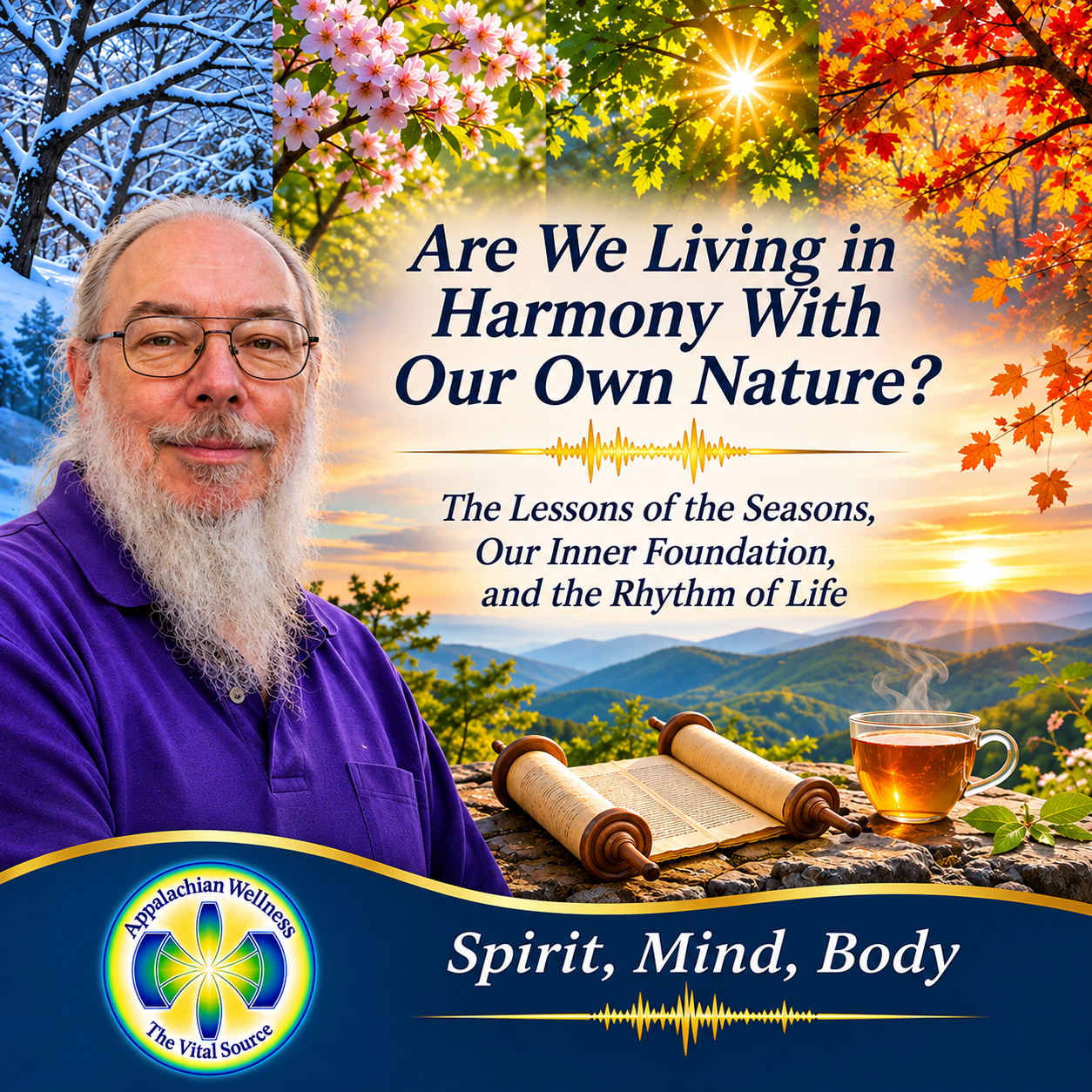
The Five Phases of Oriental Medicine reflect the changing seasons of nature and our lives. But what happens when we try to rush from one phase into another before we are ready? Consider Winter and Spring.
Before we can build upon something, we must first establish a foundation.
In Oriental Medicine, Winter corresponds to the Water Element. It represents stillness, preservation, our reserves, and the foundation from which new growth becomes possible. In this traditional framework, Water and the Kidney system are associated with bones, marrow, and the brain; these are symbolic and functional correspondences, not modern anatomical claims.
The work we do not always see
Think of a young child. Before a child can stand and walk, the bones and muscles must develop sufficient strength. The brain and nervous system must develop the ability to interpret information, coordinate movement, and maintain balance. Much of this development happens before we see the child take those first steps.
What appears to be inactivity may actually be preparation for action.
The same principle can be seen in nature. During Winter, a tree may appear dormant, but processes continue beneath the surface. Its roots remain, its living tissues are preserved, and it prepares for the growth that will become visible in Spring.
And isn't this reflected in our emotional and spiritual development as well? Sometimes we want to move forward before we have developed the strength, understanding, or stability needed to support that movement. We may mistake rest for inactivity, patience for hesitation, or preparation for a lack of progress.
But a strong foundation is not separate from growth. It is what makes growth sustainable.
Jing: what we inherit and what we cultivate
In Oriental Medicine, the Kidney system is associated with Jing — our Essence. Part of this Essence is considered prenatal: the foundation we inherit from our parents, the gifts we receive before we even begin our journey through life.
But what do we do with those gifts? Do we leave them dormant? Do we nurture and protect them? Or do we exhaust our reserves too quickly, before the nourishment we receive from food and breath can help sustain us?
Traditional Oriental Medicine teaches us to recognize the relationship between our inherited Essence and the vitality we cultivate throughout life. What we inherit provides a foundation. What we do with that foundation helps shape what we become.
This is reflected not only in our physical development, but in our emotional and spiritual lives as well. Spirit, Mind, Body — different expressions of our interconnected existence.
Finding the melody of our lives
Through BioResonance and voice analysis, I explore patterns that may offer another perspective on our personal wellness journey. I like to think of this as discovering the melody of our lives.
Every life has its own rhythms, its own expressions, and its own moments of harmony and discord. And in music, a moment of discord can create the tension that makes the return to harmony even more meaningful.
Perhaps life is much the same. Not every moment of tension means something is wrong. Sometimes it is part of the movement toward a deeper harmony.
Through my work, I listen for patterns and help you explore your own unique melody, seeking ways to bring its different expressions into greater harmony. We are not all meant to sing the same song. But we can learn to listen more carefully to our own.
A time to rest, reflect, renew, and return
The Bible also reminds us of the importance of rest. On the seventh day, G-D rested. Each week, the Sabbath returns — another turning in the continuing cycle of life. A time to rest, reflect, renew, and return.
Ecclesiastes 3:1 reminds us that there is a season and a time for every purpose under heaven. Perhaps the Sabbath reminds us that rest is not an interruption of creation, but an essential part of its rhythm.
We do not need to accomplish everything today. Sometimes we need to trust the preparation taking place beneath the surface.
Let us rest in the understanding that what follows may become more blessed because we have allowed ourselves the time to pause, reflect, and renew.
What are your thoughts? Have you experienced a time when rest, reflection, or even a moment of discord helped prepare you for a new direction in life? I invite you to share your experiences and reflections. Perhaps we can learn something from each other's journeys.
Shabbat Shalom.